what is ouji, aristocrat, & gyaruo?

correlation & origins

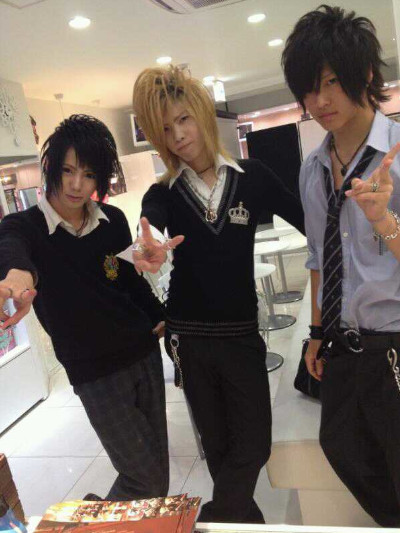
Gyaru, Ouji, and Aristocrat are terms describing separate time-specific fashions in Japan. Modernly, they're used by fashion youth to describe three distinct looks of what these scenes wore throughout their daily lives, and don't necessarily have much correlation to each other outside of peaking culture in the heisei period.

These are three incredibly distinct looks on a surface level and even seemingly opposite, but have some social overlap depending on urban geography.

While they're all boyish styles with sightings in music scenes (eurobeat or visual rock respectively), that's about the most they have in common with each other. What gyaru, ouji, and aristocrat are is defined by readability and silhouette.

"why these three?"

Aristocrat and gyaru can seem like opposites. They each have a mature, sleek style founded in designer brands and luxury fabric— What aristocrat lacks in color it makes up for rich velvets and laces. Some gyarus wore a lot of designer labels to express that specific look of a wealthy rockstar. These two were anything but modest; they are flashy and confrontational. Everything I could want and inspire from in fashion.

Ouji is some polar opposite of those two styles, being a boy-ish feminine type of beauty. It is also founded in luxury brands and full texture, but its aura is cute and treated sacred in the way that you do not tamper with an intricate antique.

Despite its cute orientation, both ouji and aristo were born from its popularity amongst fanship in vk scene, where bandmen would dress a certain way and their fans would imitate that. This utility was born from identifying other fans by this dress style outside of the scene, or made them feel closer through this code.

For me, I enjoy styling through gyaru sensibilities because I enjoy experimenting with textures, leather, and love the faux-American sexiness of it all. It's just a very playful style. Its history also aligns naturally with my lifestyle.

Aristocrat and ouji also inspire a lot of the conversations I like to have, and I follow most of its pioneer brands such as h.Naoto and Vivienne Westwood. I can only have these conversations when I wear these clothes, and when you dress in a way that gets people to ask questions, they eventually approach you out of curiosity.

what is gyaru & gyaruo?

Gyaruo is short for ギャル男 or "GAL man/otoko". It's not to be confused for a "male version" of gal, but a co-existing subgroup of gyaru culture. Similarly, gyaru is ギャル, loaned from the english word "gal." In most cases, gyaru/gal is used as a catch-all for both groups.

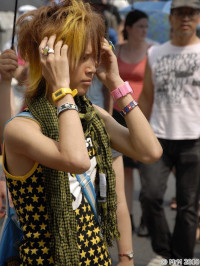
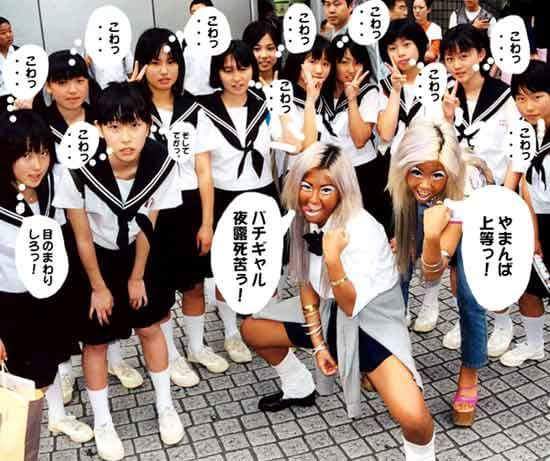
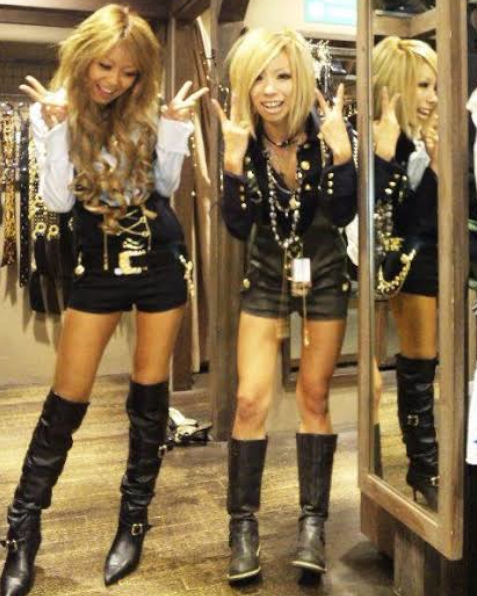
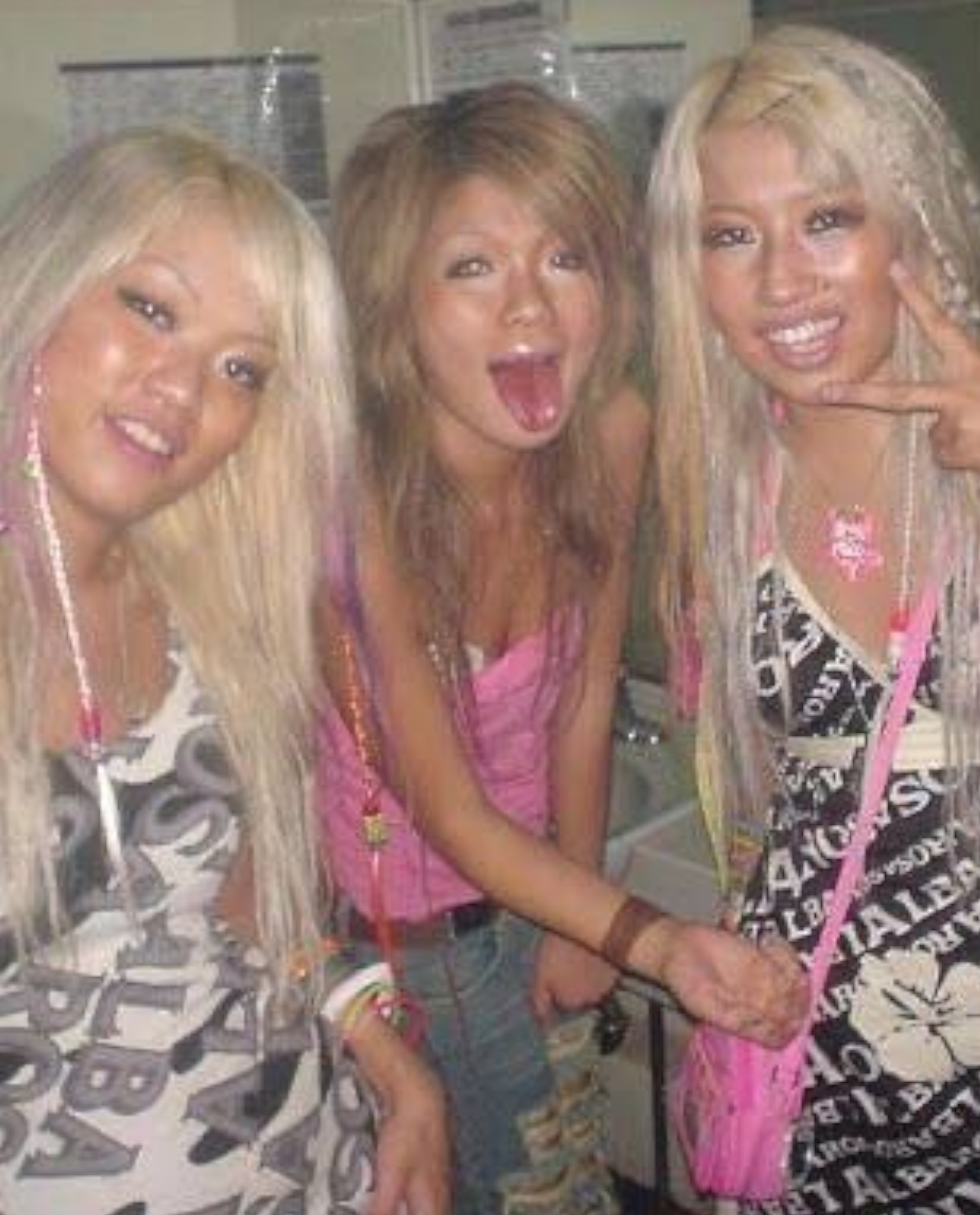
Most gyaru representation is informed through the trends they were following. Instead I thought I'd share these more ordinary life pictures.

These groups committed to what made them happy, which just so happened to be everything that went against Japanese beauty standards of pale skin and modest uniform (so anything you can find in the Egg magazine).

Gyaru men predominantly wanted to emulate a range of American rock styles with their own Japanese styling flair; as opposed to boxy and baggy, gyaruo coordinates were structurally skintight and sexy.

Their activities went against what was expected of high schoolers, and their 'dgaf' attitudes naturally carried into adulthood. They were clubbing and enjoying their youth in ways that affirmed it (and probably still do) but most importantly they were like-minded beyond just the way they dressed, like any friend group. Like anyone else who meets at work or school, they naturally formed personal circles and may have had interests outside of fashion (though they clearly shared a love for 2010's Jersey Shore fashion from overseas).

The original community and scene no longer exists as it did before, so nowadays the term's utility has been updated to identify gal "descendants" or those inspired by the historical phenomenon that was Heisei Gyaru.

what is aristo & ouji?

EGL fashion is short for "Elegant Gothic Lolita," a certain style of 90's-2010s street fashion defined by hyper femininity and a "bell" torso silhouette designed for adults. This hyper feminine focus will utilize laces, ruffles, and most importantly a "cute" elegance. It's a luxury fashion, with origins in designer labels from Vivienne Westwood and Christopher Nemeth as well as independent designers like Baby The Stars Shine Bright, Metamorphose Temps De Fille, and Angelic Pretty.

Aristocrat, Gothic Lolita, and Ouji are not counterparts of each other.

For example, you wouldn't say "ouji is the male version of lolita."

They have overlapping elements and communities, but are styled differently.

Ouji is a style that utilizes androgynous pieces to achieve "playful luxury". While its name branches from the term 王子 or "prince", you aren't literally a prince and some people might compare an ouji more to a pirate or some gothic-inspired archetype. While "more masculine" than Lolita, it's still a feminine style and women's-focused fashion that anyone can wear.

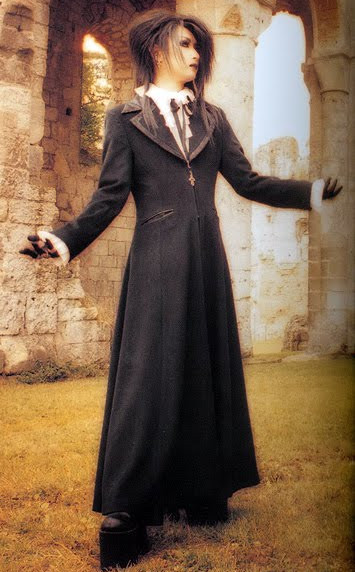
Aristocrat is a broadly-encompassing style of antique goth fashion with a Japanese solution. It's particularly known for its equally frilly, high-quality construction and textures but tunes into the mature aspects of elegance using blocky and long silhouettes. 90's Japanese styling is important to what makes J-Aristocrat's flair work, because it does not look the same under a Western style context of antique gothic.

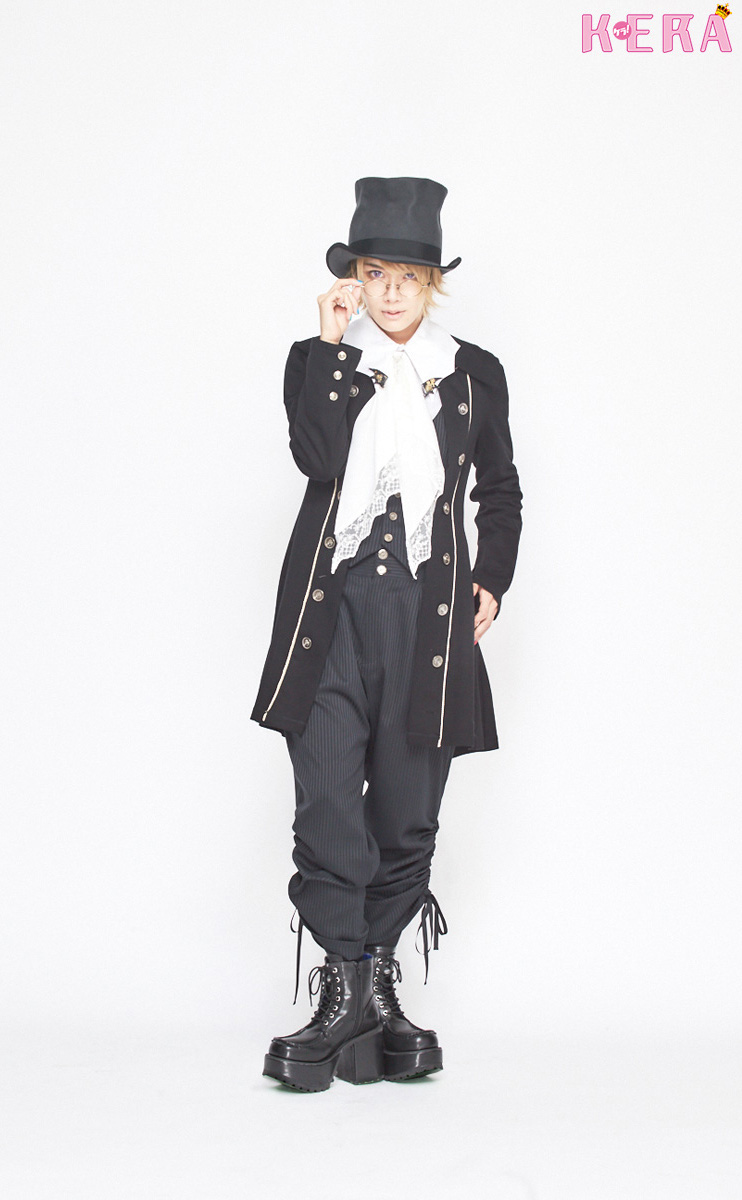
Identifying ouji from aristo can be difficult because of their dubiety of silhouettes, but with the right eye for silhouettes and fashion...

Can you tell which is ouji and which is aristo?

EGL is not Victorian or Rococo fashion, or trying to look like either of the two. To really understand the stylistic idiosyncracies of Lolita, Ouji, and Aristocrat, please study the Gothic Lolita Bible scans.
how can i get into egl/gyaruo culture?

Simplest advice I can give is to listen to elders of the cultures that have been there before you. Before you buy an authentic clothing piece or post on forums, you should talk one-on-one with someone who is in the local community. If you cannot engage or express interest in a community based in the identity, you just aren't that thing (and that's okay).

Something I believe is that all work becomes art when it fosters community. You can do everything to strip the artist from the pants they made or dilute your accessories to aesthetic, but living in isolation and rejecting to learn is a pretty sad way to live.

Accept not knowing everything. Learn through art and the artist's experiences.

I fondly think about meeting Mr. Naoto and thinking "If he's the one who made the clothes I like, surely our tastes have something in common." This is because community isn't just the fashion and history, but it's direct contribution to the people who mutually participate with you. Look and lifestyle are partnering aspects, neither less than the other.

Tldr; you either get what it means to be that thing or you don't! Find out by asking questions from people who actually had a hand in the things you wear.

That being said, don't be afraid to buy from Harajuku-original brands and creating your own style.

Post Status

Last Updated 2026.08.05